
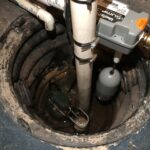

Toronto basements flood. Not might flood, do flood, regularly, and the city’s aging combined sewer system is a big part of why. When heavy rain hits and the sewers back up, groundwater has to go somewhere. If your basement doesn’t have a sump pump, that somewhere is often your floor.
Sump pump installation is one of the most practical investments a Toronto homeowner can make. It’s not glamorous, but it’s the difference between a dry basement and a $20,000 remediation bill. This guide covers how sump pumps work, what a proper installation involves, what it costs in 2026, and how to get part of that cost back through Toronto’s rebate program.
For a deeper look at how sump pumps work and the different types available, see our sump pump guide.
What Is a Sump Pump?
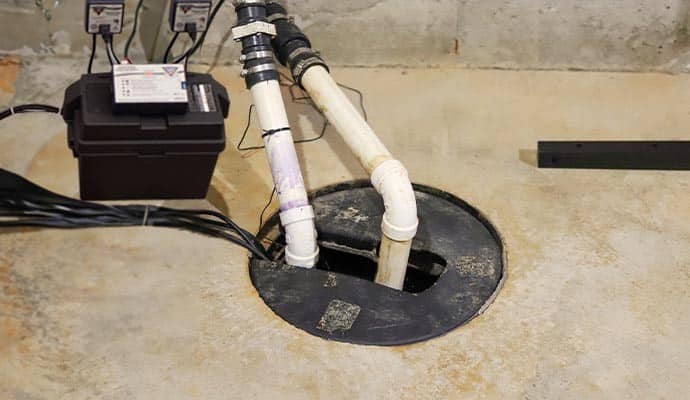
A sump pump sits in a pit dug into the lowest point of your basement floor. As groundwater builds up around your foundation, it drains into that pit. When the water level reaches a set threshold, the pump activates automatically and pushes the water out through a discharge pipe, away from your home and toward a municipal storm drain or designated drainage area.
The whole system is mostly invisible and runs without any input from you. That’s the point. During a heavy rainstorm at 2 a.m., you don’t want to be manually bailing out your basement: you want a pump that already handled it.
Homes in low-lying areas, those with a high water table, or older Toronto houses with clay soil and poor drainage are particularly dependent on sump pumps. But even homes that have never flooded can benefit from one as a preventive measure, especially with how unpredictable GTA weather has become.
Signs You Need a Sump Pump Installed or Replaced
Not every basement problem is obvious. Here are the situations where sump pump installation is worth taking seriously:
- Persistent dampness or musty odours (if your basement smells damp even without visible water, groundwater is likely seeping in through the floor or walls);
- A history of basement flooding (Once a basement floods, the conditions that caused it don’t go away on their own);
- Unusual pump noises or short cycling (if you have an existing pump that runs constantly, rattles, or keeps turning on and off, it may be failing and needs replacing);
- No battery backup (a pump that loses power during a storm is useless exactly when you need it most);
- Cracks in the foundation or floor slab (these are often a sign of hydrostatic pressure building up beneath the home, and a sump pump reduces that pressure by giving the water somewhere to go);
- Basement renovation planned (if you’re finishing your basement or doing structural work, sump pump installation should happen before anything else).
If you’re dealing with foundation cracks or moisture coming through the walls rather than the floor, basement waterproofing is often the right starting point alongside sump pump installation.
Sump Pump vs French Drain: What’s Better?
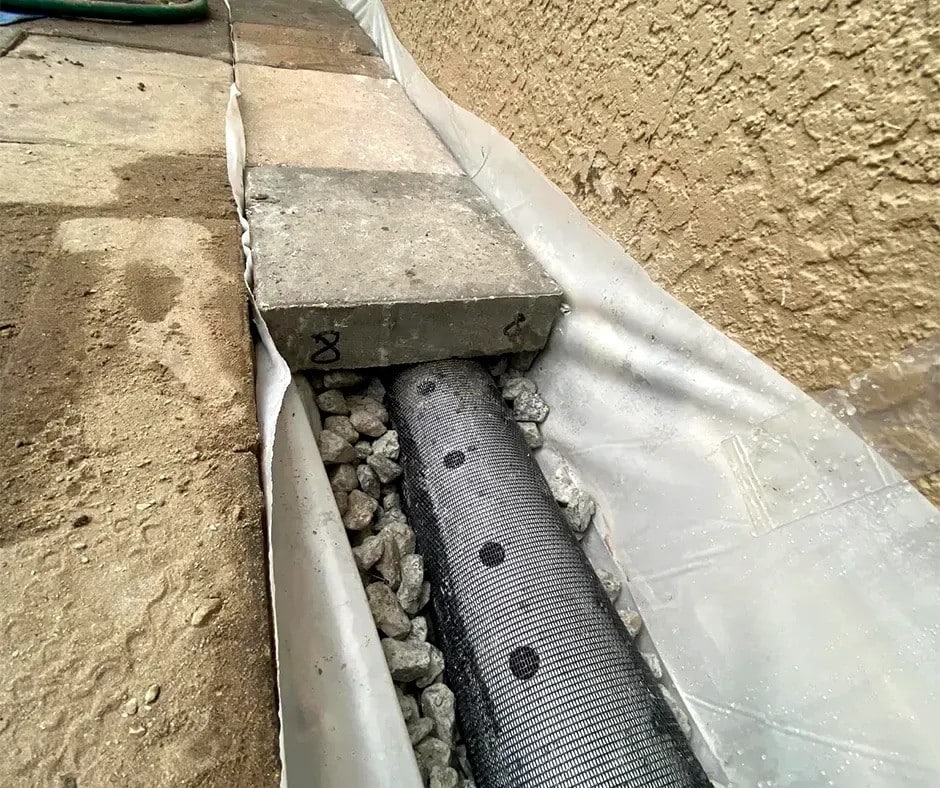
Homeowners researching basement water problems often end up comparing these two options. They’re related, but they solve different things, and in many cases you need both.
| Aspects | Sump Pump | French Drain |
| What it does | Actively pumps water out of a collection pit | Passively redirects groundwater away from the foundation |
| Best for | Collected groundwater, active flooding, high water table | Surface water, slow seepage, perimeter drainage |
| How it works | The electric pump activates when water hits a set level | Perforated pipe in gravel channels water by gravity |
| Requires power | Yes (battery backup recommended) | No |
| Maintenance | Annual testing, occasional pump replacement | Occasional flushing to prevent sediment buildup |
| Works alone? | Yes, for most active water problems | Better as part of a drainage system |
For most Toronto basements dealing with groundwater or flooding after heavy rain, a sump pump is the primary solution. A French drain (weeping tile system) works well alongside it to direct water toward the sump pit before it reaches your floor. The two systems complement each other more than they compete.
What a Full Sump Pump Installation Includes
Sump pump installation is more than dropping a pump in a hole. A proper installation involves several steps, each of which affects how well the system holds up over time.
Sump pit excavation
The pump sits in a pit, typically 18 to 24 inches in diameter and 24 to 36 inches deep, cut into the basement floor at its lowest point. The pit is lined with a perforated liner that lets groundwater in while keeping soil out. This is where drilling into your concrete slab is required, which is why proper sump pump installation is connected to the condition of your basement slab.
Pump and float switch installation
The pump itself sits inside the pit on a stable base, connected to the discharge pipe and sealed to prevent sewer gas from entering. A float switch controls when the pump activates: when water rises to the set level, the float triggers the pump. The switch type and placement matter: a poorly adjusted float leads to short cycling or delayed activation.
Discharge pipe routing
Water pumped out of the pit has to go somewhere specific. The discharge pipe runs from the pump to an exterior exit point, directed away from the foundation and toward a drainage area or municipal storm drain. The pipe needs a check valve to prevent water from flowing back into the pit when the pump shuts off.
Battery backup system
A sump pump that loses power during a storm is not a sump pump that works when you need it. A battery backup system, either a dedicated battery unit or a water-powered backup, keeps the pump running through outages. In Toronto, where summer storms regularly knock out power, this is not optional, it’s part of a complete installation.
Why Hire a Professional for Sump Pump Installation?
Sump pumps can be purchased at hardware stores, and there are plenty of DIY tutorials online. But here’s why most Toronto homeowners still call a contractor:
- Concrete cutting requires proper equipment – Cutting through a basement slab without the right tools damages the surrounding concrete and creates an uneven pit that affects pump performance;
- Discharge routing matters – A pipe that exits in the wrong spot can direct water back toward the foundation or onto a neighbour’s property;
- Permits and inspections – Toronto’s rebate program requires work to be completed by a licensed contractor and pass a municipal inspection;
- Correct sizing – Pump capacity (measured in gallons per hour) needs to match your specific water table and pit size;
- Warranty protection – Manufacturer warranties on sump pumps typically require professional installation to be valid.
The cost difference between a proper professional installation and a DIY job is smaller than it looks, especially once permits, materials, and the potential cost of fixing a mistake are factored in.
Sump Pump Installation Cost in Toronto 2026
Pricing depends on the scope of the job. A straightforward installation in a basement with an existing pit runs differently from a full installation from scratch in a finished basement.
| Scope | Typical Cost Range |
| Basic pump replacement (existing pit) | $400 – $800 |
| Full installation, new pit (unfinished basement) | $1,200 – $2,500 |
| Full installation with battery backup | $1,800 – $3,500 |
| Installation + French drain / weeping tile | $3,500 – $7,000+ |
| Installation as part of basement waterproofing | Varies by scope |
These are typical GTA ranges for 2026. Final pricing depends on basement access, concrete thickness, discharge routing complexity, and whether existing drainage systems need to connect to the pit.
WillFix provides free on-site estimates with no obligation. If cost is a decisive factor for you, financing options are available for larger waterproofing and drainage projects.
Is Toronto offering a rebate on sump pump installation?
Yes, and the program recently got bigger. As of May 2026, Toronto expanded its Basement Flooding Protection Subsidy Program and now offers up to $6,650 in subsidies per property.
| Eligible Work | Maximum Coverage | Rebate Amount |
| Sump pump installation (+ alarm) | Up to 80% of invoiced cost | Up to $1,750 |
| Sump pump battery backup system | Up to 80% of invoiced cost | Up to $300 |
| Foundation drain severance & capping | Up to 80% of invoiced cost | Up to $400 |
| Combined with backwater valve | Up to 80% of invoiced cost | Up to $3,400+ per property |
Eligible work under the expanded program includes sump pump installation with an alarm and battery backup, backwater valve installation, and severance and capping of external weeping tile connections. The program is open to owners of single-family, duplex, triplex, and fourplex residential properties in Toronto.
A few things to know before applying:
- Work must be completed by a licensed contractor;
- A building permit and municipal inspection are required in most cases;
- The program runs on available annual funding, so applying sooner is better;
- Eligible work completed on or after November 12, 2025 qualifies for the expanded subsidy amounts.
WillFix installs sump pump systems that meet the city’s program requirements. We handle the permits, make sure the installation passes inspection, and can walk you through the rebate application so you get back what you’re owed.
A Dry Basement Starts With One Decision
A flooded basement in Toronto is rarely a one-time event. The conditions that cause it, a high water table, clay soil, aging sewers, and heavy rain, don’t change. What changes is whether your home is set up to handle them.
Sump pump installation gives your basement an active defence against groundwater. Combined with proper drainage and basement waterproofing, it’s the foundation of a dry, protected home.
If you’re planning a basement lowering or any structural work below grade, sump pump installation should be part of the project scope from the start. WillFix handles both waterproofing and structural work, so you don’t have to coordinate multiple contractors.
Contact us for a free basement assessment, and we’ll tell you exactly what’s happening with your drainage and what it will take to fix it.
