



Contents
In 2026, when real estate prices in Canada and around the world continue to climb, buying a new home or additional living space has become a luxury for many families. As a result, many Toronto homeowners are looking for ways to increase their home’s square footage and turn unused areas into something practical or even profitable. One of the options is a crawl space to basement conversion.
What Is a Crawl Space?
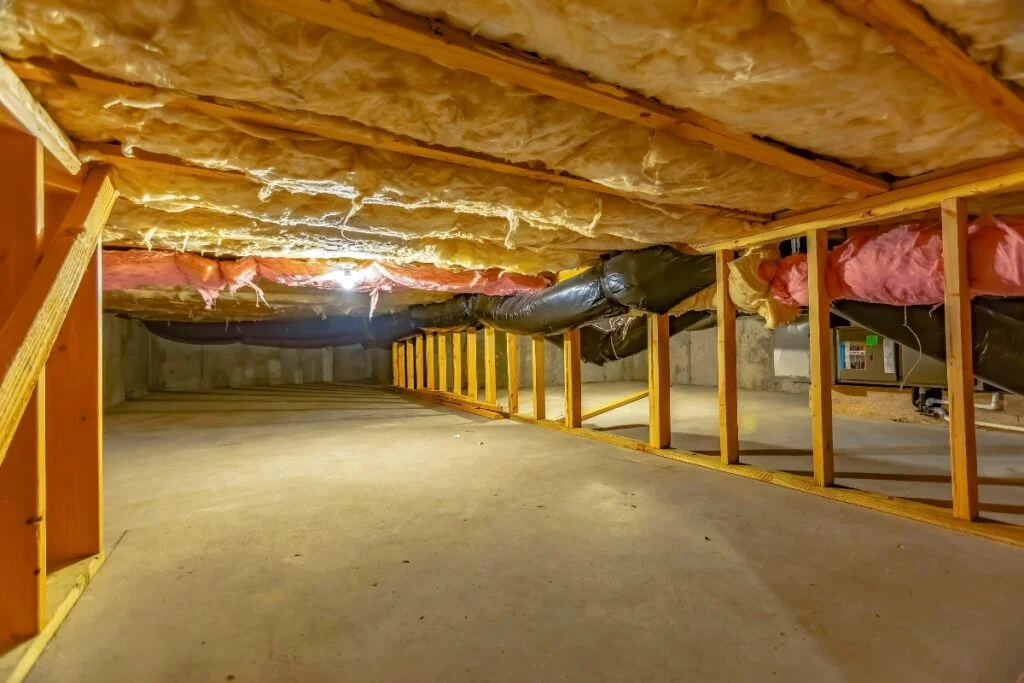
Most Toronto homeowners already have a general idea of what a crawl space is. However, for those unfamiliar with the term or who don’t know how it differs from a basement, here is a quick explanation.
A crawl space is a type of foundation that creates a gap between the home’s bottom and the ground below.
Here are the main points that distinguish it from a basement:
- Limited height — unlike full basements, crawl spaces are usually only high enough for a person to crawl through (hence the name), typically between one and three feet high;
- Ventilation — crawl spaces are usually ventilated with outside air, which helps prevent moisture buildup that leads to mold and mildew;
- Main purpose — often used to provide access to plumbing, electrical wiring, and HVAC systems.
Thus, crawl spaces have limited functionality and are primarily used only for maintenance access or minimal storage. However, our team offers crawl space excavation services that can completely transform this space.
Benefits of crawl space to basement conversion
A crawl space to basement conversion is an effective way to upgrade your home. This project allows homeowners to turn this often overlooked area into something functional while increasing overall square footage.
Gain more living space
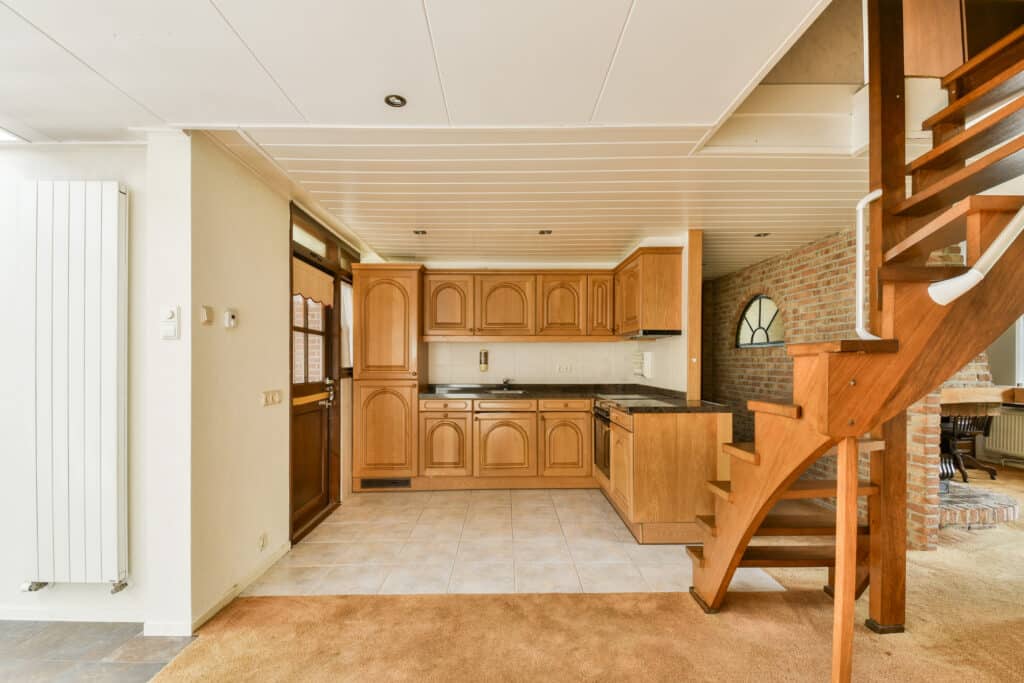
The most obvious advantage of a crawl space to basement conversion is the increased living space. You can transform it into almost anything, including:
- Extra bedroom
- Bathroom
- Recreation room with a pool table
- Home office
- Basement kitchen
- Kids’ room
- Hobby space
- Game room and more
Most basements can be adapted to perfectly suit your personal preferences and needs. In the end, your possibilities are limited only by your imagination (and budget as well).
Enhance storage solutions
Almost every Toronto homeowner has faced storage challenges at some point. Maybe you’ve updated your wardrobe, but don’t want to throw away your old clothes. Or perhaps you need a place to store garden equipment during the winter.
Fortunately, you can use the potential of your crawl space for such purposes, turning it into an organized and easily accessible storage area. This not only improves convenience but also helps declutter the rest of your home.
In addition, you can add a few aesthetic touches by installing built-in shelves in a new basement or organizing special storage zones for specific items, whether it’s seasonal decorations or a small wine collection.
Boost your home’s value
Some renovations can significantly increase your home’s resale value, and a crawl space to basement conversion is one of them. If you take this seriously and consider all the necessary legal regulations during the process, add high-quality finishes, and create all the conditions for living, the value of your home will increase dramatically.
But you don’t have to wait until you sell your home to benefit from it. Many homeowners use the basement as a source of passive income, such as renting it out.
Crawl Space to Basement Conversion Process
If you are a DIY enthusiast planning to convert a crawl space into a basement on your own, think twice. The WillFix team has 20 years of experience in basement lowering and basement underpinning, and we know what we are talking about.
This type of project involves working directly with the foundation that supports your entire home. One wrong move, and you risk ending up under the rubble. That’s why it’s better to leave it to experienced professionals. If you enjoy DIY projects, you can always handle the finishing touches later. Here’s how we approach crawl space to basement conversion at WillFix:
Excavation
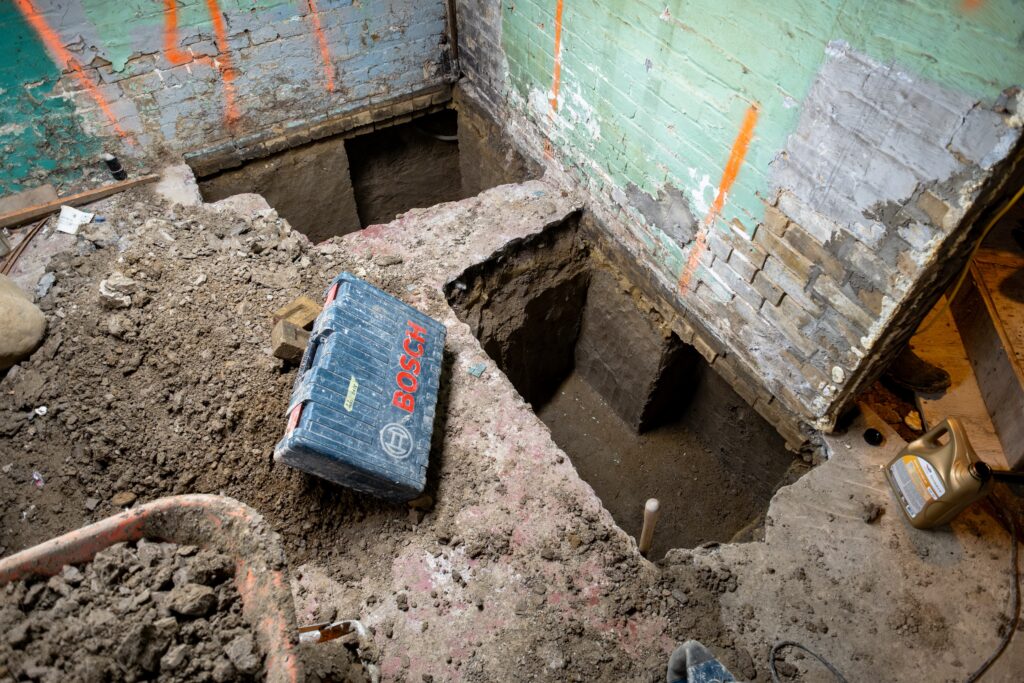
Our basement experts remove the existing concrete floor and excavate the ground beneath to increase the height and create a space equivalent to a standard basement (usually around 8 feet). This process requires special equipment and precision to avoid destabilizing the home.
Reinforcement
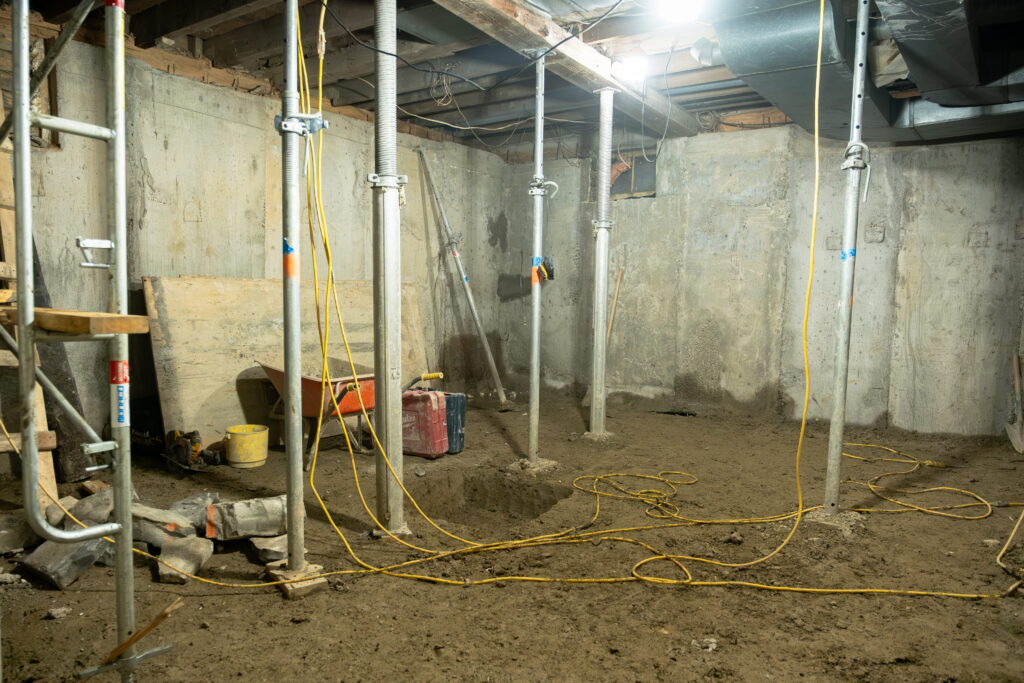
Next, we reinforce the foundation by replacing or strengthening the sections between the foundation walls and the footing with new concrete. We also make adjustments to HVAC systems and other utilities to ensure everything remains accessible and functional.
Completion
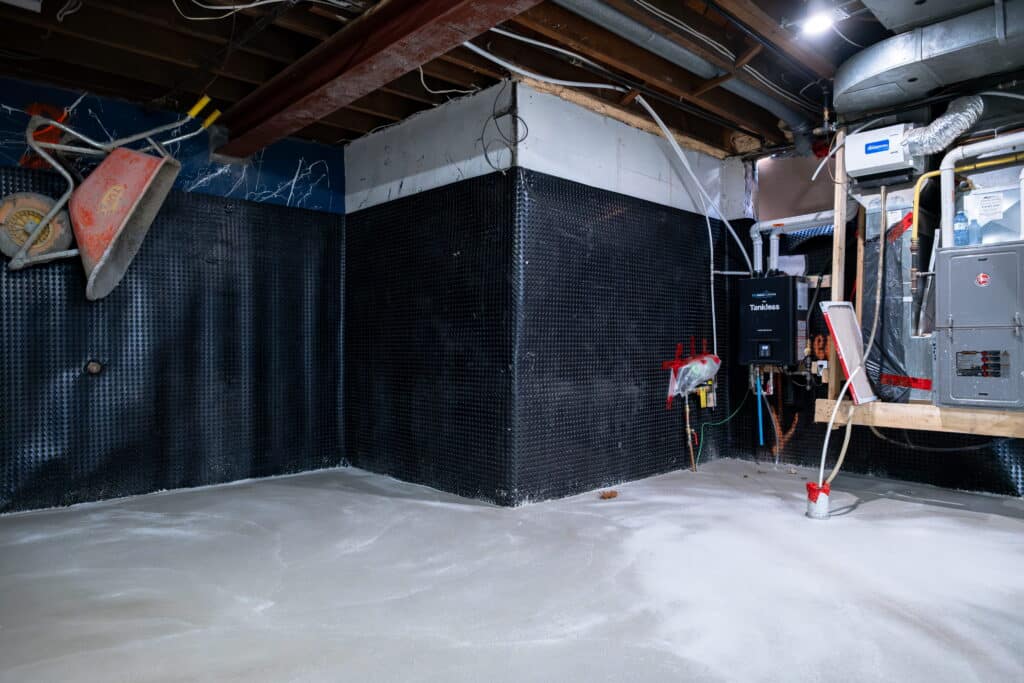
Finally, our team installs waterproofing systems and constructs new flooring and walls, evenly distributing the building’s load. This step requires meticulous planning to minimize the risk of structural problems.
Designing Your New Basement
Once the crawl space to basement conversion is complete, you can let your imagination run wild. You can do anything literally (within the law, of course) with your new basement, so take your time and think about how to personalize it in a way that best suits your needs.
Add natural light
Your basement should not feel gloomy or dark. Instead, make it cozy and pleasant to spend time there. To do this, the first thing you can do is add natural light, and the more, the better.
Consider installing larger windows to allow more sunlight into the space. Take a creative approach, because now you can design your basement just like any other part of your home.
Customize for comfort
Comfort is essential in any living space, including the basement. High-quality flooring, insulation for stable temperatures, and soundproofing are fundamental elements for ensuring a stress-free environment.
Popular flooring options include:
- Ceramic or porcelain tiles
- Luxury vinyl flooring
- Epoxy rubber flooring
- Carpet tiles
The most important thing when choosing a flooring material is to consider your needs and the purpose of your basement. This choice will help you truly transform what was once just another “space” underground into a cozy part of your home.
Consider functional features
Adding functional elements should be in line with your goals for using the basement. For example, if it’s a gym, then obviously you need to purchase sports equipment and gear. If it’s a bathroom, then you need to set up your basement as a bathroom, and so on.
Don’t turn your new basement into a mess and fill it with everything. If your goal was simply to add storage space, then you can consider a simpler finish and buy the necessary cabinets, shelves, containers, and other items.
In addition, you can combine several purposes for your basement. For example, you can set it up as a game room and also reserve space for storage. This way, you can implement two of your ideas at once.
How Much Does It Cost to Turn a Crawl Space into a Basement
Now we’ve reached the part many Toronto homeowners are most curious about — the cost. First of all, it is worth noting that the crawl space to a basement conversion cost is not fixed, as it depends on many factors:
- Complexity of the underpinning work
- Property location
- Basement size
- Project requirements
- Structure of the house
- Waterproofing systems
- The type of soil, and more
Therefore, the total cost of the conversion can vary, so it is essential to obtain an expert estimate to accurately determine all expenses.
After our free consultation, WillFix will provide a detailed estimate that clearly outlines all expenses. The final price remains consistent once the project begins.
On average, for 2026, crawl space to basement conversion cost varies between $50 and $150 per square foot. So, depending on the size of your basement, expect to pay:
| Size (Sq. Ft.) | Average Conversion Cost |
| 500 | $25,000–$75,000 |
| 800 | $40,000–$120,000 |
| 1,200 | $60,000–$180,000 |
Conclusion
Any renovation project requires investment, but that doesn’t mean you have to rob a bank to make your dream come true. Careful planning and budgeting specifically for your needs can make this project feasible. Remember that your ultimate goal is to gain additional functional space that will significantly improve your quality of life. In this case, the end justifies the means.
Crawl Space to Basement Conversion FAQ
-
Can I dig out my crawl space myself?
No. Excavating a crawl space is a complex and risky process that requires professional expertise to maintain structural stability and safety.
-
What are the main risks of digging out a crawl space?
The primary risks include structural instability during the process, high costs, and the potential for long-term issues such as foundation cracks and water infiltration.
-
Is a basement or crawl space better?
A basement provides more usable living space and can increase property value. A crawl space is cheaper to build and provides utility access, but it does not offer additional living space and may develop moisture problems.
-
Will I need permits for a crawl space conversion in Toronto?
Yes. Toronto requires building permits and inspections for structural changes such as crawl space excavation and basement underpinning. But no worries, the WillFix team will handle everything.
-
Can a crawl space conversion help reduce moisture problems?
Yes. Properly converting and waterproofing the space can significantly reduce moisture, mold risk, and humidity issues commonly associated with crawl spaces.