


Contents
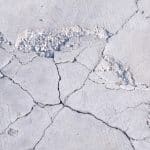
Foundation cracks in homes often go unnoticed, making them more than just superficial issues. These cracks are signs of hidden structural defects that can lead to major damage and require full foundation underpinning repair.
Foundation Underpinning Repair Made on Time

To keep your foundation in good condition for many years, you only need three things:
- Regular inspections of the foundation for cracks, shifts, and other issues;
- Proactive steps to prevent foundation damage;
- If the situation requires immediate foundation underpinning repair, invest in it, otherwise it may be too late.
A quick response to the situation effectively limits further damage to your home, even if it involves costly but necessary foundation repairs. However, if you delay addressing your foundation issues, you will end up spending even more money down the road. That’s why it’s better to invest in foundation underpinning repair now and make sure your structure is safe for years to come.
Taking proactive steps helps you make reasonable decisions that ultimately protect the strength and lifespan of your home.
Foundation Cracks
Foundation cracks are one of the first and most basic issues to address when protecting your home’s structural integrity. They can vary in size and severity, which is why it makes sense to hire a basement underpinning expert like WillFix to get the full picture.
Small hairline cracks are often not a cause for concern. They are the result of natural settling or minor foundation shifts. However, larger cracks are clear signs of potential structural problems that can worsen if left unaddressed.
When planning your budget for foundation crack repair or foundation underpinning repairs, keep in mind that larger cracks require more labour and materials, which can significantly increase the overall foundation underpinning cost.
Factors leading to foundation cracks
When considering causes of foundation cracks, many factors must be taken into account. They may be a single cause or part of a complex negative impact on the foundation:
- Soil shift and settlement (fluctuations in expanding clay soils with moisture changes, settlement of poorly compacted soil, creating uneven support);
- Poor drainage (water buildup from inadequate drainage, increased hydrostatic pressure due to saturated soil);
- Low-quality building materials (use of substandard materials in foundation underpinning, vulnerabilities caused by outdated basement techniques);
- Environmental factors (changing soil conditions due to severe weather, expansion and contraction of foundation materials due to temperature changes);
- Tree roots (soil drying as roots absorb moisture, intrusion and displacement of foundation materials by roots);
- Erosion (gradual breakdown of materials over time, weakening caused by ongoing environmental exposure);
- Structural changes (additional loads from renovations or additions, load redistribution caused by layout changes).
Understanding the wide range of causes behind foundation cracks is not only about identifying and fixing the immediate issue.
It also means recognizing the potential need for foundation underpinning repairs. Regular inspections and consultations with professionals are essential for proactive maintenance and long-term protection of your home.
The Importance of Foundation Underpinning Repair When Fixing Foundation Cracks
As a professional Toronto basement underpinning company, we believe that foundation underpinning is a key step in repairing and strengthening weakened foundations. This method, which involves increasing the depth or width of the foundation, allows the building’s load to be transferred to more stable soil.
Understanding the costs and methods involved in foundation underpinning is crucial for homeowners considering this solution. Investing in a foundation underpinning not only solves existing issues but also reinforces the foundation against future problems.
Preventive Steps
To avoid foundation cracks and costly foundation underpinning repairs, every homeowner can take simple but effective preventive steps. The more proactive you are, the better your chances of avoiding major repairs.
Regular inspections
Regularly inspect your foundation for signs of damage. The sooner you spot an issue, the easier it is to address it at an early stage. These may include small cracks or structural shifts that point to deeper problems. It’s also a good idea to have a professional assess any concerns you notice.
Using proper drainage systems
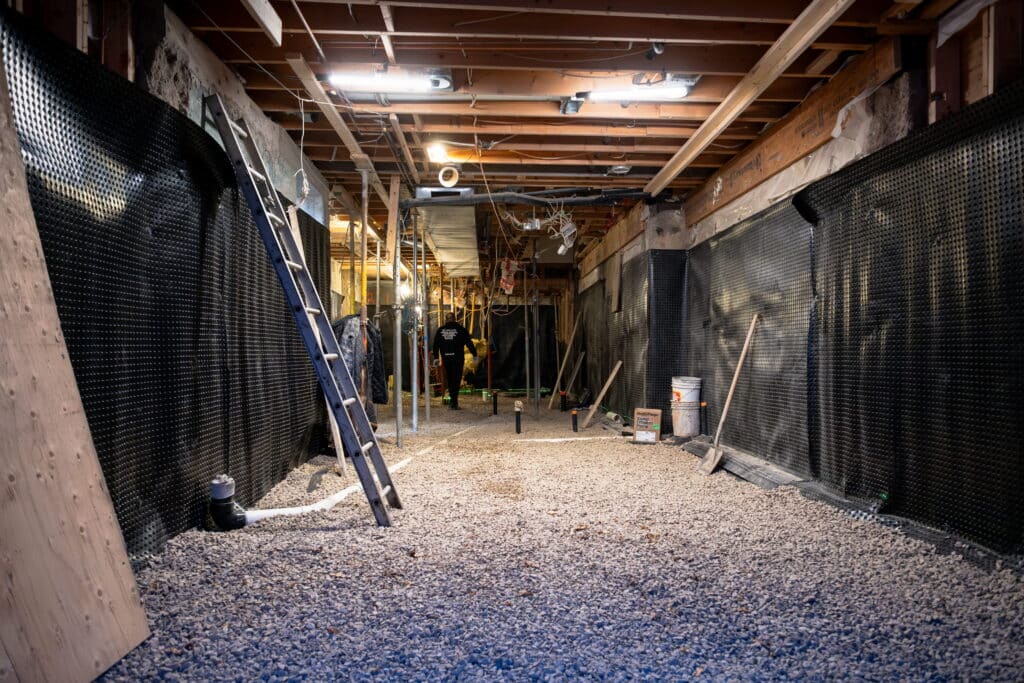
Moisture is often the main cause of foundation cracks, so proper waterproofing gives you a 50% chance of never having to deal with them. It is also important to ensure water drains away from the foundation (especially during rainy and snowy seasons) and to keep gutters and downspouts clean and functional. Sometimes, additional drainage systems may need to be installed in vulnerable areas.
Timely upkeep and repair
If you notice any problems during your inspection (such as small cracks, shifts, etc.), it is important to fix them promptly. Delaying repairs can lead to much higher costs down the road. If you are unsure whether foundation underpinning repair is necessary, consult a professional.
Soil hydration regulation
Keep in mind that moisture is not always a bad thing when it comes to soil. Maintaining a consistent soil moisture level around the foundation is a good preventive step toward foundation stability. If the soil becomes too dry, use a hose to water during dry periods, but avoid overwatering near the foundation.
Conclusion
Foundation cracks can occur for a variety of reasons, ranging from natural conditions to the use of poor-quality materials. Foundation underpinning repair is an effective way to strengthen weakened foundations. Awareness and preventive actions by homeowners and property managers are essential to maintaining the safety and integrity of structures.
Foundation Underpinning Repair FAQ
-
Are foundation cracks common in Toronto homes?
Yes. Toronto’s clay-heavy soil, freeze–thaw cycles, and older housing stock make foundation movement a frequent issue. Many homes built before modern building standards naturally develop small cracks over time.
-
Which foundation cracks are normal, and which ones should worry me?
Hairline cracks are usually harmless and result from natural settling. Cracks that are wide, growing, horizontal, or leaking water are warning signs of structural stress and should be inspected by a professional ASAP.
-
When is foundation underpinning repair actually necessary?
Underpinning is typically required when cracks are linked to settlement, wall movement, or foundation instability. If the foundation can no longer properly support the home, underpinning becomes the safest long-term solution.
-
How much does foundation crack repair or underpinning cost in Toronto in 2026?
That's a pretty tough question to answer definitively. Simple crack repairs can cost a few hundred dollars, but if you need a full foundation underpinning, you can end up spending thousands.
Also, the final cost depends on how deep and complex the cracks are, how easy it is to reach the area that needs work, and how complex your house's structure is. If you want to save money on foundation underpinning repair, it's best to get it done now, because the longer you wait, the more it'll cost you.
-
Can I prevent foundation cracks before they become serious?
Yes. Regular inspections, proper drainage, timely repairs, and maintaining balanced soil moisture around your home significantly reduce the risk of major foundation damage.